

Study in the UK
Studying in the UK offers a rich academic experience, with access to world-renowned universities like Oxford, Cambridge, and Imperial College London. The UK is known for its diverse cultural landscape and high-quality education, particularly in fields like law, medicine, business, and engineering.
Experience top-tier education in the UK, a prestigious global center for academic excellence and groundbreaking research.
4 of the World’s Top 10 Universities | 50,000+ Courses | Globally Renowned Research | Shorter Degrees – The UK: Where Excellence Meets Opportunity!
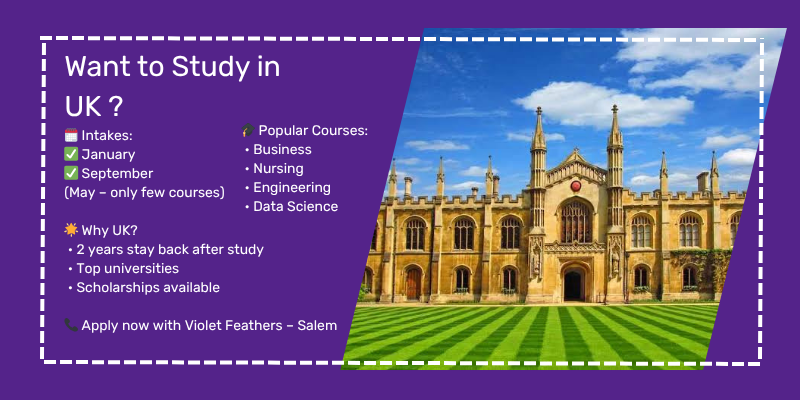
 Why Study in UK?
 Why Study in UK?
Studying in the UK offers a wealth of benefits for international students. Here are some of the key reasons why it’s a top choice:
🎓 World-Class Education
Top Universities: The UK is home to some of the world’s most prestigious universities, including the University of Oxford, University of Cambridge, Imperial College London, and University College London (UCL). Known for their rich academic traditions and cutting-edge research, UK universities are renowned globally.
International Recognition: Degrees from UK institutions are highly respected around the world, especially in fields like law, engineering, medicine, business, and the arts. The UK’s long history of academic excellence adds significant value to your qualification.
🌍 Global Job Opportunities
Strong Job Market: The UK has a highly competitive job market, particularly in sectors like finance, technology, law, healthcare, and creative industries. Graduates from UK universities are sought after for their skills and high-quality education.
Post-Graduation Work Visa: The UK offers the Graduate Visa, allowing international students to stay for up to 2 years after completing an eligible degree to work at any skill level. For higher degree graduates (PhD), the period extends to 3 years.
🗣️ English-Speaking Country
Language Advantage: Being an English-speaking country, the UK offers an ideal environment for students from around the world to enhance their English language skills, making it easier for international students to integrate into both their studies and the workforce.
🛡️ Safe and Welcoming Environment
Safety: While the UK’s cities are diverse, many are well-regarded for their safety and high living standards. Universities offer strong campus security and well-being support to ensure students feel safe during their time abroad.
Welcoming Culture: The UK has a long history of being home to international students, with universities supporting multicultural communities. British people are generally known for their politeness and openness, making it easier for international students to settle in.
🌿 Rich Culture and History
Cultural Heritage: The UK boasts an incredible mix of cultural and historical landmarks. Whether you’re in London, Edinburgh, or Oxford, there’s always something to explore—from historic castles to world-class museums and vibrant local cultures.
Diverse Experiences: The UK is known for its diversity, with students coming from all over the world. This multicultural setting fosters a global environment where you can build international networks and gain different perspectives.
💰 Affordable and Flexible Education
Tuition Fees and Living Costs: While the UK can be more expensive than some other countries, the tuition fees and living costs can vary greatly depending on the region (London tends to be pricier than other parts of the country). Many students opt for scholarships, financial aid, and part-time work to manage costs.
Scholarships: There are many scholarships and financial aid programs available for international students, especially through universities, the government, and private organizations.
👩🏫 High-Quality Student Support
Student Services: UK universities offer comprehensive student support, including academic tutoring, career services, counseling, and social activities. There’s a strong emphasis on helping students thrive both academically and personally.
Internships and Placements: Many UK universities have strong ties with industry leaders, offering students valuable internship and work placement opportunities that help boost employability after graduation.
🌍 Cultural Diversity
Multicultural Society: The UK is one of the most multicultural countries in the world. Whether you’re in London, Manchester, or Glasgow, you’ll meet students and professionals from all over the globe. This is a fantastic opportunity to experience different cultures, languages, and traditions.
🏡 Great Quality of Life
Living Standards: The UK offers a high standard of living, with good healthcare, public transport, and modern amenities. While the cost of living can be high in major cities, areas outside of London tend to offer more affordable options.
Work-Life Balance: The UK promotes a healthy balance between work and leisure. There are plenty of parks, festivals, and cultural events to enjoy during your free time.
🌐 Strong Global Connections
International Networks: The UK has extensive global connections, particularly within Europe, Asia, and North America. This makes it an ideal location for students looking to develop a global perspective and connect with people across the world.
Business and Trade: London, in particular, is one of the world’s leading financial centers, which opens up a multitude of job opportunities in finance, economics, and business. The UK is also known for its strong ties with Commonwealth nations, offering a unique global network.
Overall, the UK offers a blend of world-class education, rich cultural experiences, and solid career opportunities—making it a popular choice for international students.
Latest Updates for Studying and Working in UK (2025)
🎓 Studying in the UK: Latest Updates (2025)
1. Postgraduate Loan Increases
The UK government has increased the amount available for postgraduate loans for international students. The loan cap now allows up to £15,000 for Master’s degree students and £26,000 for PhD students, which helps with tuition fees and living costs.
2. Visa Updates: Graduate Visa (Post-Study Work Visa)
Extended Work Rights: International students who complete a bachelor’s, master’s, or PhD degree in the UK can now stay for up to 3 years to work after graduation (formerly 2 years for most graduates). Doctoral graduates can stay for 4 years.
Increased Work Opportunities: Graduates can work in any job at any skill level. However, this work visa can only be used for up to two years unless the individual switches to another visa type like the Skilled Worker visa.
3. Skilled Worker Visa Expansion
The Skilled Worker Visa has been expanded to include more roles in sectors like healthcare, tech, and education. It now covers more graduate-level job opportunities, making it easier for international students to transition to permanent work in the UK post-graduation.
Salary Thresholds: There has been a slight adjustment to the salary thresholds for certain roles in the Skilled Worker category, which makes it easier for graduates to meet the requirements.
4. New Language Proficiency Standards
The UK has updated its English language requirements for international students. While most universities will still accept IELTS, TOEFL, and Duolingo English Test scores, there is also an emphasis on ensuring that non-native speakers have a high level of proficiency for the job market.
5. Increased Availability of Scholarships
Several universities and private organizations have expanded scholarship programs for international students, especially for those in STEM, business, and creative arts fields. New scholarships aim to address diversity and support students from lower-income backgrounds.
6. Work During Studies
International students are allowed to work up to 20 hours per week during term time and full-time during holidays. However, there are stricter regulations for students in the Tier 4 visa category to ensure they don’t overwork, especially in light of the growing demand for jobs in sectors like retail and hospitality.
🌍 Working in the UK: Latest Updates (2025)
1. Remote Work Flexibility
The UK has embraced more remote working opportunities, particularly in industries like technology, marketing, and consulting. Graduates are finding that many companies are offering hybrid or remote work arrangements, which can be appealing for international students who prefer flexibility.
2. Job Market & High-Demand Sectors
The tech sector, especially for roles in artificial intelligence (AI), data science, software development, and cybersecurity, is seeing a huge demand for skilled workers. Universities and the government are offering industry-focused programs that equip students with the necessary skills to thrive in these areas.
Healthcare jobs are in high demand, and graduates with qualifications in nursing, medicine, and healthcare management are being actively recruited with attractive salaries and benefits.
Green Jobs and sustainable energy careers are becoming a major focus in the UK, with the government pledging to achieve net-zero emissions by 2050. Roles in renewable energy, sustainability, and environmental policy are expected to see significant growth.
3. Salary Changes and Cost of Living Adjustments
The UK has adjusted salary expectations for skilled workers, reflecting changes in the cost of living. Salaries in sectors like tech, finance, and engineering are now higher, aiming to combat the rising living costs, especially in cities like London.
Living costs in cities like London have increased, but there is now more emphasis on affordable housing initiatives and subsidies for international students to offset these costs.
4. Tax Incentives for International Workers
To attract international talent, the UK has introduced tax breaks for skilled foreign workers in sectors like finance, AI, and engineering. These include reduced income tax rates for graduates with skills in demand, making it financially attractive for graduates to stay and work long-term.
5. Changes to the National Insurance System for International Workers
International students who transition to the Skilled Worker Visa now have access to the National Insurance system (providing healthcare, pensions, and benefits), making the process of working and living in the UK easier and more accessible.
6. Business and Entrepreneur Visas
The UK has expanded opportunities for international students wishing to start their own businesses post-graduation. The Innovator Visa and Start-Up Visa programs now offer more accessible pathways for graduates to set up businesses, especially in tech, creative industries, and sustainable solutions.
🏡 Living and Lifestyle in the UK: Latest Updates (2025)
1. Affordable Housing Initiatives
The UK government has rolled out affordable housing initiatives aimed at making it easier for students and young professionals to find housing in high-demand areas like London, Manchester, and Edinburgh. Universities are also expanding on-campus housing availability.
2. Healthcare Access
International students now have wider access to healthcare under the NHS. Most students pay an immigration health surcharge as part of their visa application, which allows access to free healthcare. Some universities also offer health insurance packages to make this process smoother for international students.
3. Social Integration & Mental Health Support
The UK has ramped up its focus on mental health and well-being support for international students. Universities are providing more comprehensive counseling services, peer support networks, and dedicated mental health resources to help students adjust to life in the UK.
4. Public Transport Improvements
Public transport options have improved, with new government initiatives to make travel more affordable for international students. Students can also get discounted travel cards for trains, buses, and metro systems in cities like London.
🌐 Key Takeaways:
Post-graduation work opportunities are better than ever, with extended visa options and more job flexibility.
Scholarships and financial support programs have increased, making it easier for international students to fund their education.
The job market is thriving, especially in tech, healthcare, and green industries, with new tax incentives and better work-life balance opportunities.
The cost of living continues to rise, but there are more affordable housing initiatives and transportation discounts available.
If you’re thinking of studying and working in the UK, now might be the perfect time given these changes.
Cost of studying in UK:
The cost of studying in the UK can vary widely depending on several factors, such as the level of study (undergraduate, postgraduate, or PhD), the type of university (public or private), the location (London vs. other cities), and personal lifestyle choices. Below is a breakdown of the major expenses you can expect as an international student in the UK in 2025.
🎓 1. Tuition Fees
Undergraduate Programs:
For international students, tuition fees for undergraduate programs typically range from £10,000 to £38,000 per year.
Humanities, Social Sciences, and Arts: £10,000 to £20,000
Business, Law, and Engineering: £15,000 to £25,000
Medical and Dental: £20,000 to £38,000
Postgraduate Programs (Master’s Degrees):
Master’s degree tuition fees generally range from £12,000 to £40,000 per year.
Humanities, Social Sciences: £12,000 to £18,000
Business & Finance: £18,000 to £25,000
Engineering & Technology: £18,000 to £30,000
Medical or Veterinary Science: £20,000 to £40,000
PhD Programs:
PhD tuition fees vary between £15,000 to £30,000 per year.
The cost may be higher for certain research programs or fields like medical research.
💰 2. Living Costs
Living expenses will depend on your lifestyle and where you live. London and other major cities tend to have higher living costs, while smaller cities and towns are generally more affordable.
Average Monthly Costs (Approximate):
Accommodation:
London: £800 – £1,500 per month (for private housing or university halls)
Outside London: £400 – £900 per month (for private accommodation or university-managed halls)
Food: £150 – £250 per month
On average, groceries will cost around £40-£60 per week, and eating out will add to the cost.
Transport:
London: £140 – £180 per month (if using public transportation regularly)
Outside London: £40 – £100 per month
Students can get discounted travel cards or passes, which reduce transport costs.
Utilities (Electricity, Gas, Internet): £100 – £200 per month (shared accommodation can bring this down)
Students often share housing, and utilities are usually divided among the flatmates.
Other Expenses (entertainment, personal expenses): £100 – £200 per month
This includes things like mobile phone plans, social activities, shopping, and other personal expenses.
Estimated Total Monthly Living Costs:
In London: £1,400 – £2,200 per month
Outside London: £1,000 – £1,500 per month
💼 3. Additional Costs
Visa Fees:
Student Visa (Tier 4): £363 (for applications made outside the UK)
Immigration Health Surcharge (IHS): £470 per year (for international students), which provides access to the NHS (National Health Service).
Study Materials and Supplies:
Textbooks, software, stationery, and materials can cost around £200 – £500 per year, depending on your course.
Medical Insurance:
The Immigration Health Surcharge covers healthcare during your stay, but you might want additional health insurance for things like dental and eye care. This can cost around £100 – £150 per year.
Travel Home:
Travel expenses for flights or visits to family will depend on your home country and the frequency of travel. It’s advisable to budget around £500 – £1,500 annually, depending on your travel plans.
🏡 4. Accommodation Options & Costs
On-Campus Accommodation:
Generally, university dorms or halls of residence range from £500 to £1,500 per month, depending on the location and the level of facilities. In London, this could be on the higher end of the spectrum, especially if you’re looking for private rooms or en-suite bathrooms.
Private Accommodation (Outside University Halls):
Shared Flats/House: £400 – £900 per month, depending on the area and facilities.
Studio Apartments: £800 – £1,500 per month, particularly in central locations or in London.
Homestay (living with a local family):
A more affordable option for some students, which can range from £400 to £900 per month, including meals.
🎓 5. Scholarships and Financial Aid
There are several scholarships and funding opportunities available for international students in the UK. These can help offset tuition fees and living costs.
Chevening Scholarships: Fully funded scholarships covering tuition, living expenses, and travel costs for students from Chevening-eligible countries.
Commonwealth Scholarships: Aimed at students from low and middle-income Commonwealth countries.
University-specific Scholarships: Many UK universities offer merit-based or need-based scholarships for international students. These can range from partial tuition fee discounts to full coverage.
Research Councils: For PhD students, UK Research and Innovation (UKRI) offers various funding opportunities in specific research areas.
📊 6. Total Estimated Costs for One Year of Study in the UK
Undergraduate:
Tuition: £10,000 – £38,000
Living Costs: £12,000 – £22,000 (depending on location)
Total Estimated Cost: £22,000 – £60,000 per year
Postgraduate (Master’s):
Tuition: £12,000 – £40,000
Living Costs: £12,000 – £22,000
Total Estimated Cost: £24,000 – £62,000 per year
PhD:
Tuition: £15,000 – £30,000
Living Costs: £12,000 – £22,000
Total Estimated Cost: £27,000 – £52,000 per year
📋 Key Tips for Managing Costs:
Plan and Budget: Make sure to have a detailed budget before arriving. It’s easier to manage expenses if you know what to expect.
Student Discounts: Take advantage of student discounts on transport, shopping, entertainment, and food through services like TOTUM or Student Beans.
Part-Time Work: As an international student on a Tier 4 visa, you can work up to 20 hours per week during term time and full-time during breaks. This can help cover living expenses.
Look for Accommodation Early: University-managed accommodations fill up quickly, so it’s better to apply as soon as possible.
In conclusion, studying in the UK can be expensive, but there are plenty of ways to reduce costs through scholarships, part-time work, and strategic budgeting.
🇬🇧Top UK Universities in 2025
Here’s a concise table listing the Top UK Universities in 2025 along with their global rank, specialties, and location:
| University | Location | Global Rank (2025) | Specialties |
|---|---|---|---|
| University of Oxford | Oxford, England | 1-2 | Humanities, Social Sciences, Medicine, Law, Business, Engineering |
| University of Cambridge | Cambridge, England | 2-3 | Natural Sciences, Engineering, Medicine, Law, Humanities |
| Imperial College London | London, England | Top 10 | STEM (Science, Technology, Engineering, Medicine), Business |
| London School of Economics (LSE) | London, England | Top 50 | Economics, Political Science, Law, Finance, Social Sciences |
| University College London (UCL) | London, England | 8-10 | Engineering, Architecture, Arts, Medicine, Social Sciences |
| University of Edinburgh | Edinburgh, Scotland | 20-30 | Engineering, Life Sciences, Medicine, Arts, Humanities |
| King’s College London | London, England | Top 35 | Law, Medicine, Arts, Humanities, Business |
| University of Manchester | Manchester, England | 30-50 | Engineering, Computer Science, Business, Life Sciences, Social Sciences |
| University of Warwick | Coventry, England | 50-60 | Business, Economics, Engineering, Mathematics |
| University of Bristol | Bristol, England | 50-60 | Engineering, Mathematics, Physics, Social Sciences |
| University of Glasgow | Glasgow, Scotland | 60-70 | Engineering, Life Sciences, Law, Arts |
| University of Leeds | Leeds, England | 80-90 | Business, Engineering, Healthcare, Social Sciences, Environmental Sciences |
Notes:
Global Rank: Rankings are based on global academic reputation, research output, and student satisfaction (based on sources like QS World University Rankings 2025).
Specialties: Each university is known for its strength in particular disciplines. Many of the universities are strong across a range of subjects, but each has its own unique reputation for excellence in specific fields.
🏦💵 Secure your future with an education loan
Partnering with Leading Student Loan Providers for Your Educational Journey We collaborate with top-tier financial institutions to offer flexible and tailored financing solutions, ensuring you have the support needed to pursue your academic aspirations confidently.
Get FREE Counselling Today!
Share your details, and our expert will contact you to discuss your plans. All services are free!